
What Makes the Archimedes Screw Effective for Wastewater Applications?
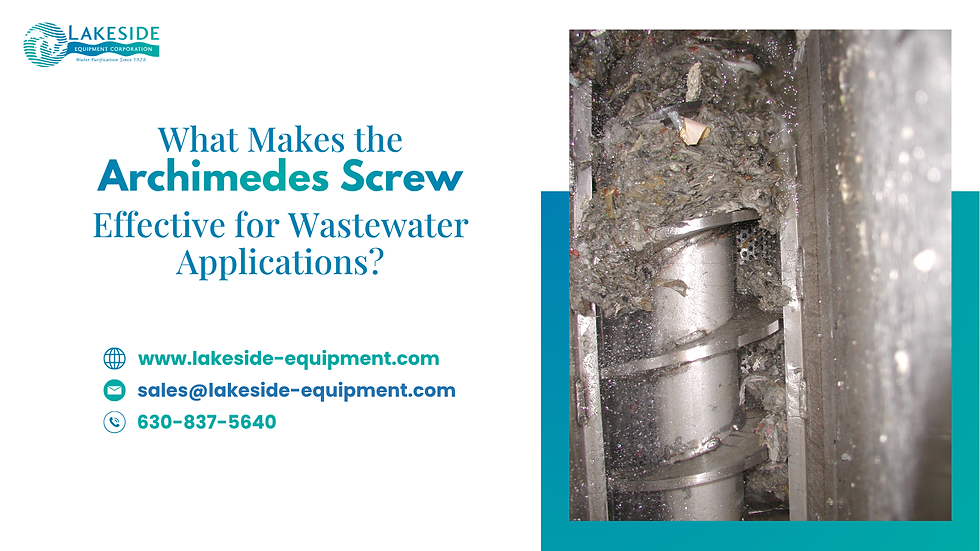
Wastewater systems often rely on dependable fluid-handling technologies that too while supporting essential treatment and transport processes. Many engineers selecting an Archimedes screw often consider operational demands, wastewater traits, and long-term requirements. Moreover, equipment choices frequently influence system performance while supporting reliable wastewater movement over time. Understanding these factors often helps planners evaluate solutions that too with greater confidence and operational awareness.
Across many infrastructure discussions too, interest levels in an Archimedes screw turbine often reflects broader system planning considerations. Meanwhile, wastewater professionals frequently assess design strengths that support efficiency, reliability, and adaptability. By reading further, readers will gain insight into characteristics that support effective wastewater handling. Consequently, readers can better understand operational benefits, planning considerations, that too with long-term infrastructure value.
Which Design Features Make the Archimedes Screw Suitable for Wastewater Applications?
Wastewater equipment often performs best when design features too align with changing operational requirements. Moreover, facilities using an Archimedes screw frequently value characteristics supporting dependable wastewater movement. To better understand this effectiveness, several important design features deserve closer attention below.
1. A Helical Design That Supports Continuous Material Movement
A helical structure often moves wastewater through rotational motion while supporting steady flow conditions. Additionally, the screw-shaped design may guide material movement while maintaining consistent transport processes. Consequently, this design often remains relevant across water and wastewater infrastructure applications today.
2. Open-Channel Compatibility for Diverse Operating Conditions
Wastewater facilities often encounter varying site conditions while managing changing flow and treatment needs. Meanwhile, discussions involving open vs. enclosed screw pumps frequently highlight differences in operating environments. As a result, open-channel compatibility often influences equipment selection across diverse wastewater applications.
3. The Ability to Handle Wastewater Containing Solids
Wastewater frequently contains mixed materials that require equipment capable of handling varying contents. Additionally, solids management often remains important while supporting reliable operation throughout treatment processes. Consequently, compatibility with mixed wastewater contents often contributes to overall operational effectiveness that too with consistency.
How Do These Features Benefit Wastewater Operations?
Wastewater facilities often depend on equipment features that support reliable and adaptable system operation. Moreover, systems using an Archimedes screw frequently benefit from design characteristics supporting daily wastewater management. To better understand these advantages, several operational benefits deserve closer attention below.
1. Supporting Reliable Wastewater Transport
Dependable wastewater transport often helps facilities maintain smooth operations across changing treatment processes. Additionally, consistent fluid movement may support system function while reducing operational uncertainty. Consequently, operational consistency often contributes to broader wastewater infrastructure effectiveness and reliability.
2. Adapting to Variable Flow Conditions
Wastewater volumes often change over time due to varying operational and environmental conditions. Meanwhile, flexible equipment operation may support facilities while responding to shifting flow demands. As a result, adaptability often remains valuable when wastewater conditions change throughout system operation.
3. Reducing Operational Disruptions
Equipment design often influences system continuity while supporting dependable wastewater handling activities. Additionally, reliable operation may help maintain functionality while supporting routine treatment processes. Consequently, facilities often value equipment that supports stable and uninterrupted wastewater management efforts.
4. Accommodating a Wide Range of Wastewater Applications
Many facilities utilize an Archimedes screw pump while addressing varied wastewater management requirements effectively. Additionally, different operating environments may benefit from equipment suited to diverse application needs. Consequently, broad usability often supports wastewater operations across multiple management settings.
5. Providing Flexibility in Equipment Configuration
Site requirements often influence equipment choices while shaping wastewater system planning decisions. Meanwhile, discussions involving open vs. enclosed screw pumps frequently highlight configuration-related considerations. Therefore, flexible configurations often help facilities align equipment selections with operational goals.
6. Supporting Long-Term Infrastructure Objectives
Wastewater facilities often prioritize durability while supporting long-term operational and planning requirements. Additionally, adaptable equipment may help address changing needs while supporting future infrastructure goals. Consequently, equipment selection often plays an important role within broader wastewater planning efforts.
How Does the Technology Fit Into Modern Wastewater Infrastructure?
Wastewater systems often require solutions balancing reliable operation with long-term adaptability and planning needs. Moreover, equipment selection frequently influences infrastructure performance while supporting broader wastewater management objectives. Additionally, interest in an Archimedes screw turbine often reflects broader discussions about water-management applications. Consequently, wastewater professionals often evaluate technologies based on resilience, suitability, and future infrastructure goals.
Screw-based technologies often support diverse water-management environments while addressing changing operational requirements. Meanwhile, adaptable equipment choices may help facilities maintain effectiveness while responding to evolving needs. Therefore, long-term planning often benefits from solutions supporting both operational reliability and infrastructure flexibility.
Frequently Asked Questions (FAQs)
1. Why do wastewater facilities often prioritize equipment adaptability during planning?
Changing operational needs often encourage facilities to select equipment supporting long-term flexibility and system suitability.
2. How can wastewater characteristics influence equipment selection decisions?
Different wastewater conditions often affect equipment requirements while shaping broader operational planning considerations.
3. What role does infrastructure planning play in wastewater system effectiveness?
Thoughtful planning often helps facilities align equipment choices with future needs and operational objectives.
Effective Wastewater Management Often Begins With the Right Equipment Choice
When evaluating an Archimedes screw, wastewater professionals often consider operational needs alongside long-term infrastructure goals. Moreover, effective wastewater systems frequently depend on technologies suited to specific application requirements. Additionally, design characteristics, operational benefits, and adaptability often influence equipment suitability across varied environments. Meanwhile, long-term planning may help facilities address changing demands while supporting reliable system operation. Consequently, evaluating solutions through both present and future requirements often strengthens infrastructure decisions. Therefore, aligning equipment selection with operational objectives and broader planning priorities often supports lasting wastewater system effectiveness.

Comments