
Avoiding Failures in Commercial Sewage Lift Station Design

Poor wastewater planning can create backups, bad smells, and high repair costs. When wastewater must travel from a lower level to a higher sewer line, proper system planning becomes critical. Commercial sewage lift station design focuses on making that movement safe and steady. The setup relies on correctly sized pumps, practical layouts, and dependable control systems. Each part must work together to keep daily operations running without interruption. If those parts are not planned carefully, failure becomes more likely.
Commercial properties manage large volumes of wastewater each day. Because of that, even a small design mistake can interrupt normal operations. Early discussion between owners, engineers, and facility managers makes a difference. When everyone shares input at the beginning, planning becomes more consistent.
Clear communication from day one reduces confusion later. Simple coordination often prevents delays, extra costs, and avoidable stress. In this blog, you will learn common causes of failure, smart equipment choices, layout concerns, and maintenance planning steps. By the end, you will understand how to reduce risk and improve commercial sewage lift station design for long-term performance.
Key Planning Steps in Commercial Sewage Lift Station Design
Early planning shapes system reliability. You should first review projected wastewater flow rates.
Accurate flow estimates prevent undersized equipment. However, oversizing can also create pump cycling problems.
Site elevation matters because lift stations move wastewater uphill. A clear survey helps determine pump power needs.
In addition, soil conditions affect structure stability. Weak ground may require reinforced foundations.
Local codes guide layout decisions. You must follow safety, venting, and access rules.
Engineers often review peak flow scenarios. Because commercial buildings vary, restaurants differ from office complexes.
Clear planning documents reduce confusion later. Good records support smooth construction and inspections.
Equipment Selection and Performance Risks
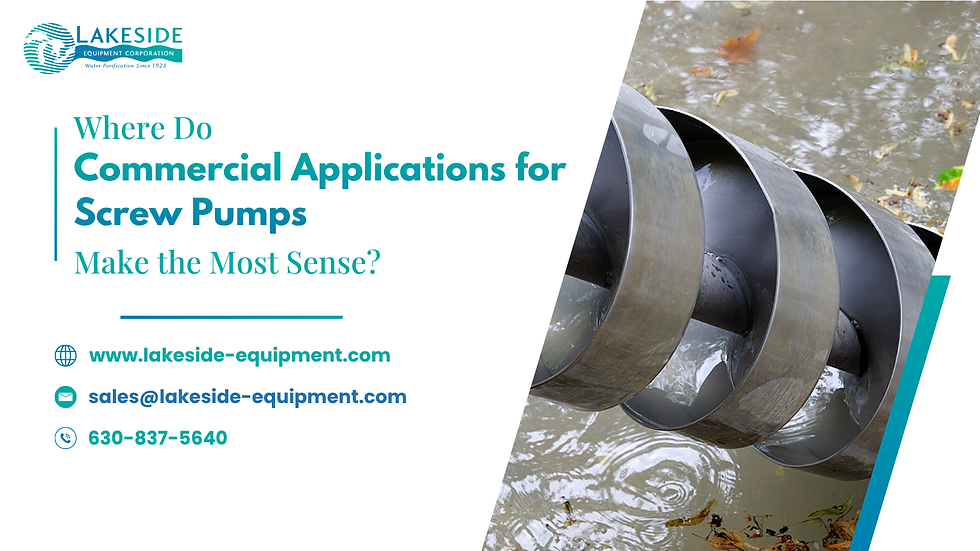
Pump choice affects daily system function. You should match pump capacity with expected flow rates. Some stations use an enclosed screw pump for steady transfer. This option handles solids well and reduces clog risk.
However, centrifugal pumps remain common in many designs. Each type has strengths and limits. Screening systems also matter. Wastewater screens remove debris before it reaches pumps.
Without proper screening, solids may block impellers. As a result, service calls increase. Control panels manage pump cycles. Backup alarms alert staff during high water levels.
Reliable power supply is essential. Because outages occur, backup generators add protection.
Preventing Mechanical Issues in Commercial Sewage Lift Station Design
Mechanical wear builds over time. Regular inspection reduces unexpected shutdowns.
During routine inspections, take time to examine seals and bearings closely. A minor leak today can turn into a serious repair later.
Wastewater environments also create corrosion risks over time. Applying protective coatings can slow that damage and extend equipment life.
Good ventilation matters as well. Steady airflow limits gas buildup and helps protect both the system and the people working nearby. Access space around pumps improves service speed. Tight layouts can delay repairs.
Hydraulic Design and Flow Management
Flow balance affects pump efficiency. Uneven inflow may cause rapid cycling. You should size wet wells carefully. Adequate volume prevents pumps from starting too often.
Pipe diameter influences velocity. Oversized pipes slow flow and allow solids to settle. However, pipes that are too small increase friction loss. Careful calculation supports balanced performance.
Check valve placement also matters. These valves prevent backflow during shutdown.
Engineers review head pressure calculations. Because lift height varies, pump curves must match system needs.
Smooth pipe routing reduces energy demand. Fewer sharp bends improve flow efficiency.
Monitoring, Maintenance, and Long Term Care
Ongoing monitoring keeps systems stable. Digital sensors track water levels and pump status.
Remote alerts help you respond quickly. Early notice limits damage during faults. Maintenance schedules should be written and followed. Planned service reduces emergency repairs.
You should clean wastewater screens at regular intervals. Debris buildup restricts flow.
Pump testing confirms performance. Over time, wear may reduce output capacity. Training staff supports safe operation. Clear instructions prevent misuse of controls.
Budget planning also plays a role. Routine care costs less than full system replacement. Because commercial sites operate daily, downtime affects business operations.
Common Design Errors to Avoid
Ignoring peak flow estimates leads to overload risk. Accurate demand forecasting is critical.
Poor access planning creates safety issues. Workers need safe entry for inspection.
Skipping backup power planning invites failure during storms. Emergency systems reduce that exposure.
Improper material selection may lead to corrosion. Durable components last longer in wet conditions.
Lack of odor control causes tenant complaints. Vent filters and covers reduce smell concerns.
Incomplete documentation can delay approvals. Clear drawings support smooth inspections.
When design teams rush early stages, later fixes become expensive.
FAQs About Commercial Sewage Lift Station Design
1. Why do lift stations fail most often?
Common causes include poor flow estimates, clogged pumps, and lack of maintenance. Regular inspection reduces these risks.
2. How often should lift station equipment be serviced?
Routine checks should occur several times per year. High-use sites may require more frequent visits.
3. Are backup power systems necessary?
Backup power protects against outages. Without it, wastewater may overflow during electrical failure.
Conclusion
Careful planning and steady oversight reduce lift station failures. Commercial sewage lift station design requires balanced flow estimates, proper equipment, and routine monitoring. You benefit from reviewing pump types, including the enclosed screw pump, and using reliable wastewater screens. Safe layouts and backup systems also lower operational risk. At the same time, understanding related systems such as municipal wastewater infrastructure planning helps place your project within a broader framework. With thoughtful design and regular care, you can improve reliability ³and protect your property investment.


Comments